
What Do You Call Someone Who Inspires You? A Guide to Terms and Meanings
When you look back on your life, certain faces stand out. They are the people who pushed you to be better, the ones who offered a hand when you stumbled, and the voices that whispered, “You can do this,” when you felt like giving up. But what is the right word for them? Is that person a mentor? A role model? A muse?
Finding the right language to describe these influential people helps us understand the specific value they bring to our lives. It clarifies the relationship and honors their contribution. This article explores the nuanced vocabulary of inspiration, breaking down the differences between mentors, role models, guides, and motivators, so you can finally put a name to the face that changed your world.
The Power of Naming Your Inspiration
We often group everyone who helps us under the broad umbrella of “inspiration.” However, specific terms carry different weights and imply different dynamics. Understanding these distinctions is crucial for personal development. When you know exactly what kind of support you need, you can seek out the right inspirational figure.
Whether you are looking for career advancement, moral guidance, or just a spark of creativity, the person you are looking for has a specific title. Let’s dive into the most common terms and what they actually mean.
The Role Model: Leading by Example
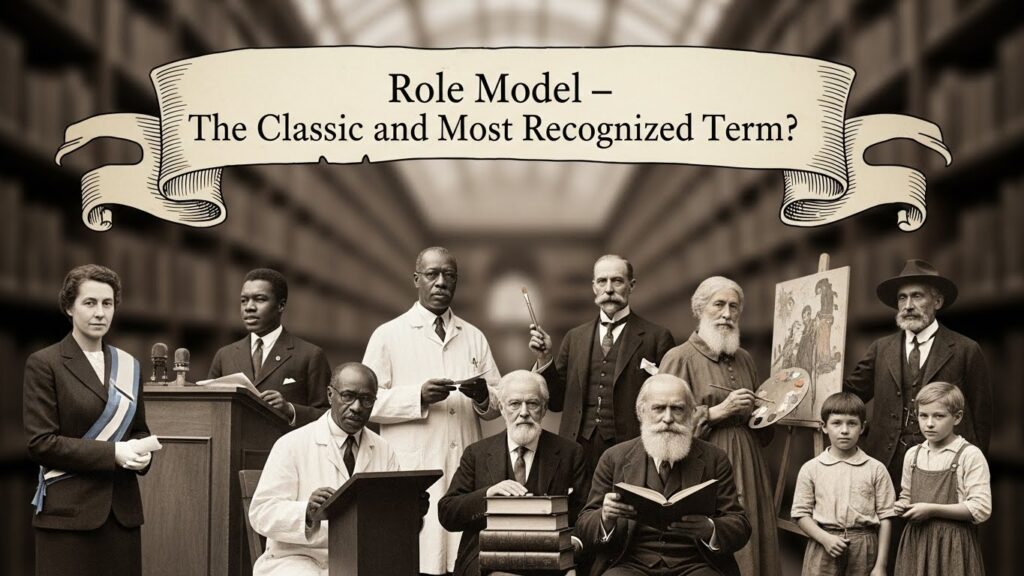
A role model is perhaps the most common term we use, but it is often misunderstood. A role model is someone whose behavior, example, or success is or can be emulated by others, especially by younger people.
Defining Role Model Qualities
The primary distinction of a role model is distance. You do not necessarily need to know a role model personally for them to impact your life. They lead by doing. Their actions speak louder than their specific advice to you.
Key role model qualities include:
- Integrity: They consistently do the right thing, even when no one is watching.
- Resilience: They show you how to bounce back from failure.
- Authenticity: They are true to themselves, which gives you permission to be true to yourself.
Think of an athlete you admired growing up. You might never have met them, but their dedication to training taught you discipline. Or perhaps it is a public figure who fights for justice. Their life serves as a blueprint for your own aspirations.
Why We Need Role Models
Role models provide a vision of what is possible. They break glass ceilings and navigate uncharted territories. When we see someone like us achieving great things, it validates our own dreams. They are passive teachers, instructing us through their lived experience rather than direct lessons.
The Mentor: The Hands-On Architect

If a role model is the blueprint, the mentor is the architect standing beside you, helping you lay the bricks. The mentor definition implies a relationship that is personal, reciprocal, and focused on growth.
The Mentor-Mentee Dynamic
Unlike a role model, a mentor knows you. They know your strengths, your weaknesses, and your specific goals. A mentorship is an active relationship where wisdom is transferred directly.
A great mentor does not just tell you what to do; they ask the right questions to help you figure it out yourself. They open doors, make introductions, and provide a safe space to fail.
Qualities to Look for in a Mentor
- Experience: They have walked the path you are currently on.
- Patience: They understand that growth takes time.
- Honesty: They are willing to give you the tough feedback that others won’t.
In the corporate world, a mentor might guide you through office politics. In the arts, a mentor might critique your technique. The core of this term is connection. You call someone a mentor when they have invested time in your personal evolution.
The Guide: Navigating the Unknown
Sometimes, you don’t need a life-long relationship (mentor) or a distant hero (role model). Sometimes, you just need someone to show you the way through a specific, difficult terrain. This is where the guide comes in.
Understanding the Qualities of a Guide
A guide is someone with specialized knowledge of a particular path. They are often transient figures who appear when we are at a crossroads.
The qualities of a guide are distinct:
- Specific Expertise: They know the terrain inside and out.
- Protective Instincts: They steer you away from pitfalls and dangers.
- Clarity: They can simplify complex routes into manageable steps.
You might call someone a guide if they helped you navigate a specific transition, like moving to a new country, recovering from an illness, or changing careers. Once you have crossed the terrain, their role often ends, but their impact remains. They didn’t build your character like a mentor, but they ensured your survival and success during a critical phase.
The Motivator: The Spark plug
Have you ever met someone who just makes you want to move? Someone whose energy is infectious? That person is a motivator. While a mentor offers wisdom and a guide offers direction, a motivator offers energy.
How Motivators Influence Lives
Motivators are the emotional engines of our lives. They are the coaches screaming from the sidelines, the friends who hype you up before a big presentation, or the speakers who leave you feeling like you can conquer the world.
Understanding how motivators influence lives requires looking at emotional states. They shift your mindset from “I can’t” to “I will.” They focus on:
- Urgency: getting you to act now.
- Passion: igniting your emotional drive.
- Belief: loaning you their confidence until you build your own.
You call someone a motivator when they are the reason you got out of bed and took action. They might not teach you the technical skills (like a mentor), but they provide the fuel to learn them.
The Muse: The Source of Creativity
For artists, writers, and innovators, there is another term that holds significant weight: the Muse. Historically, Muses were goddesses of the arts. Today, a muse is anyone who sparks deep creativity.
This is a unique type of inspirational figure. A muse doesn’t necessarily teach or guide. Sometimes, just their existence, their story, or their presence unlocks something within you. You call someone a muse when they are the catalyst for your best work. They inspire output and creation.
The Influencer: The Modern Catalyst

In the digital age, we must address a newer term: the Influencer. While often used in marketing, in the context of inspiration, an influencer is someone who affects your decisions and lifestyle choices through digital connection.
This is a hybrid role. An influencer can act as a distant role model or a digital motivator. They curate a lifestyle or a mindset that you aspire to. While the connection is often one-sided (parasocial), the impact is real. They can inspire you to adopt healthier habits, learn new skills, or change your perspective on social issues.
How to Identify Your Inspirational Figures
Now that we have defined these terms, take a moment to audit the people in your life. Who is filling which bucket?
- Who do you want to be like? (Your Role Model)
- Who gives you specific advice on how to grow? (Your Mentor)
- Who helps you navigate specific challenges? (Your Guide)
- Who pumps you up and gets you moving? (Your Motivator)
You may find that one person wears multiple hats. A parent might be a role model and a guide. A boss might be a mentor and a motivator. However, distinguishing these roles helps you realize what you might be missing. If you have plenty of motivation but no direction, you might need to seek out a guide or mentor. If you have plenty of advice but no drive, you might need a motivator.
The Impact of Defining the Relationship
Why does it matter what we call them? Because naming the relationship honors it.
When you tell someone, “You are my mentor,” you are formalizing a bond. You are acknowledging their wisdom and your willingness to learn. When you tell someone, “You are my role model,” you are paying them a high compliment about their character.
Furthermore, using the right NLP keywords in your own life—like acknowledging the qualities of a guide or understanding a mentor definition—helps you search for the right help. If you search for a “business coach” when you really need a “life mentor,” you might end up with strategies when you really needed wisdom.
Becoming an Inspirational Figure Yourself
The ultimate goal of having inspirational figures is not just to absorb their light, but to reflect it. As you grow, you will likely transition from the mentee to the mentor, from the observer to the role model.
Ask yourself:
- Am I living with integrity? (Role Model)
- Am I investing time in others? (Mentor)
- Am I helping people navigate difficult times? (Guide)
- Am I bringing energy to the room? (Motivator)
We all have the capacity to be an inspirational figure to someone else. It starts with recognizing the value others have poured into us and paying it forward.
Conclusion
So, what do you call someone who inspires you? The answer depends on how they touch your life. They might be the distant star you navigate by (role model), the experienced traveler walking beside you (mentor), the sherpa getting you up the mountain (guide), or the spark that starts your engine (motivator).
Recognizing these distinctions allows us to appreciate the rich tapestry of human connection. No one achieves greatness alone. We are all mosaics of the people who have taught, guided, and loved us. Take the time today to identify the inspirational figures in your life, give them the proper title, and if you can, thank them. They are the architects of your potential.